

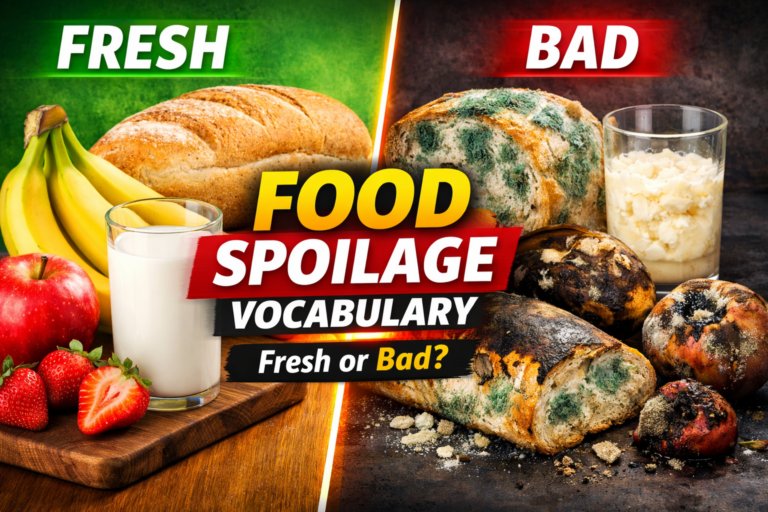
If you’re learning English, one everyday topic that shows up a lot is food. Shopping, cooking, eating out, or just chatting at home. And sooner or later, you need to talk about food that has gone bad.
Many learners only know words like bad food or spoiled food. But English actually uses different words for different foods when they start going bad. Bread doesn’t go bad the same way milk does. Fruit changes differently from meat.
That’s why learning food spoilage vocabulary makes your English sound natural and precise.
In this guide, you’ll learn:
• how food changes from fresh to unsafe
• the correct English words for each stage
• visual examples to help you remember
• a simple table summary for practice
This approach makes food spoilage vocabulary easy to remember and use in real conversations.
Understanding the Three Stages of Food
Most foods move through three simple stages:
- Fresh – safe and good to eat
- Going bad – quality drops, sometimes still edible
- Dangerous – unsafe to eat
Different foods show spoilage differently. Let’s look at clear visual examples first.
Example 1. Bread: Fresh → Stale → Mouldy
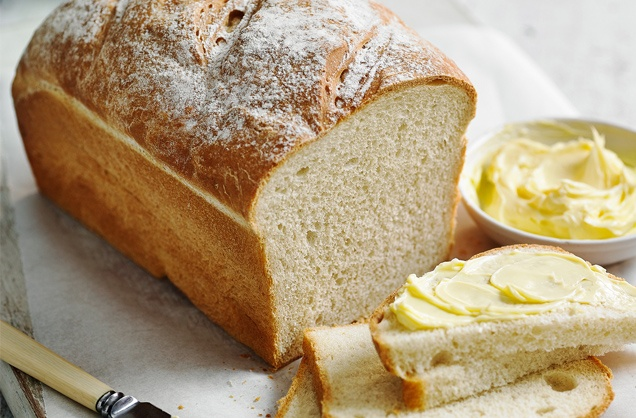
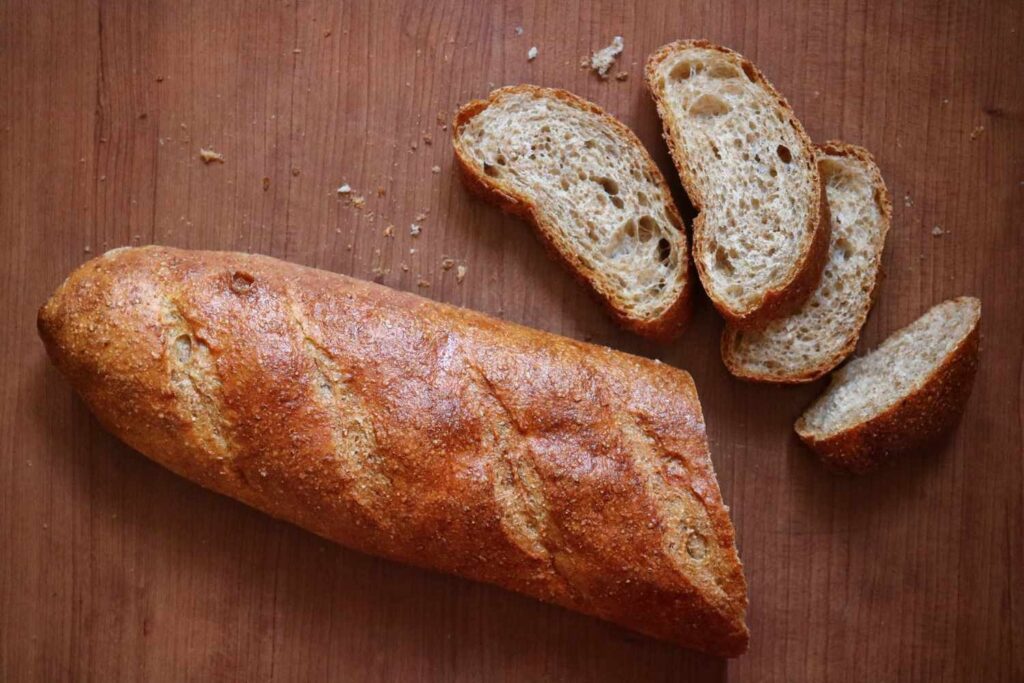
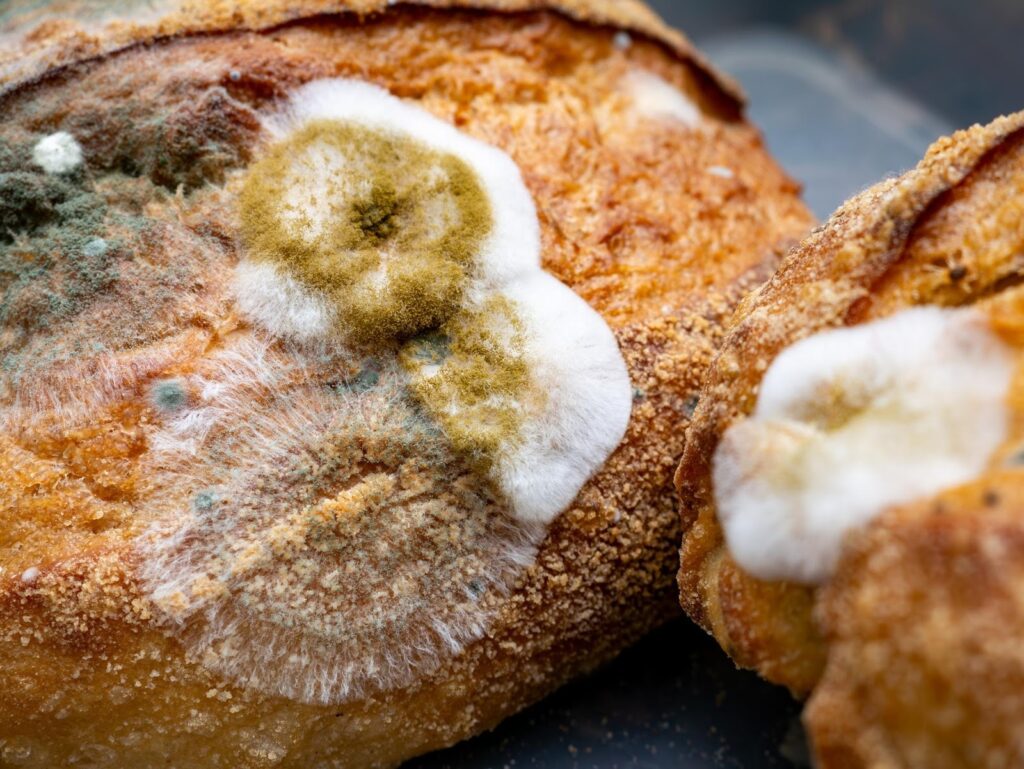
• Fresh bread is soft and smells good.
• Stale bread becomes dry and hard.
• Mouldy bread shows green or black spots. This is dangerous.
This example helps learners remember how food spoilage vocabulary changes depending on the condition.
Example 2. Milk: Fresh → Sour → Curdled
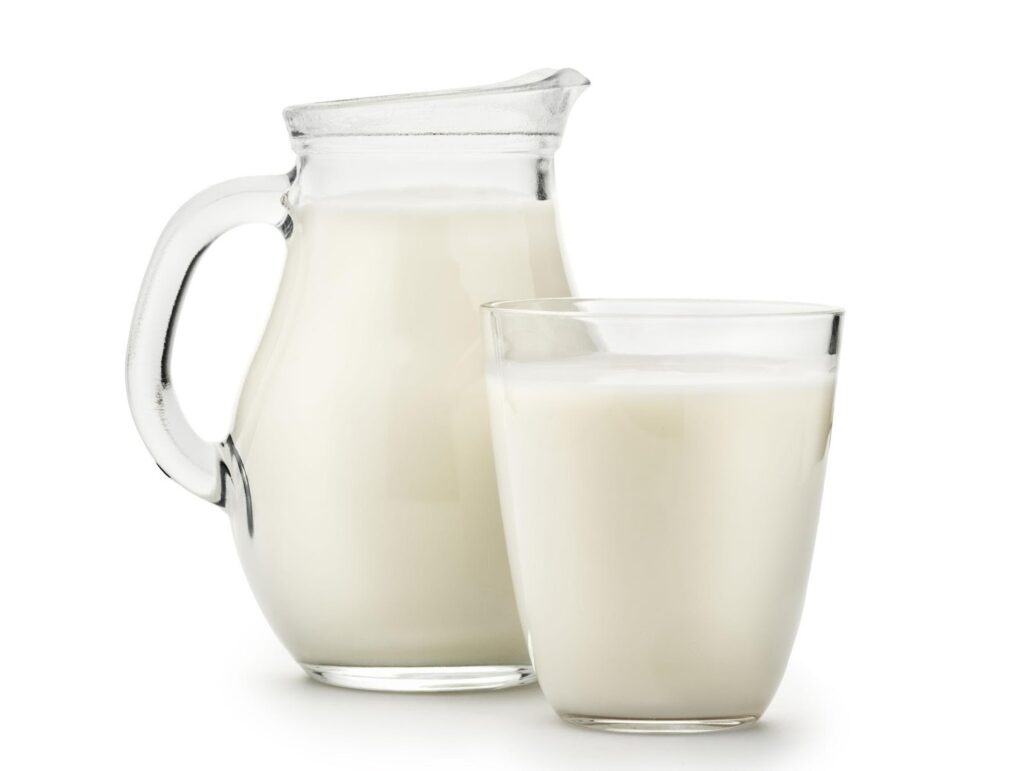
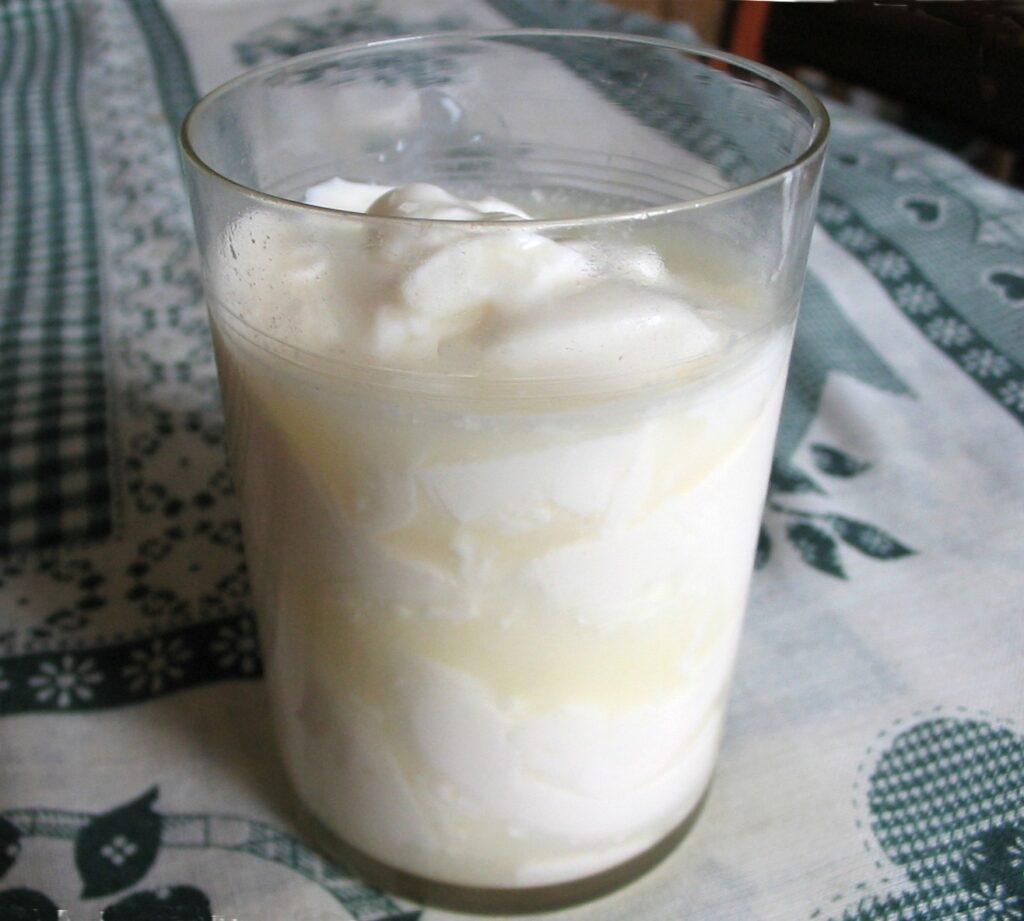
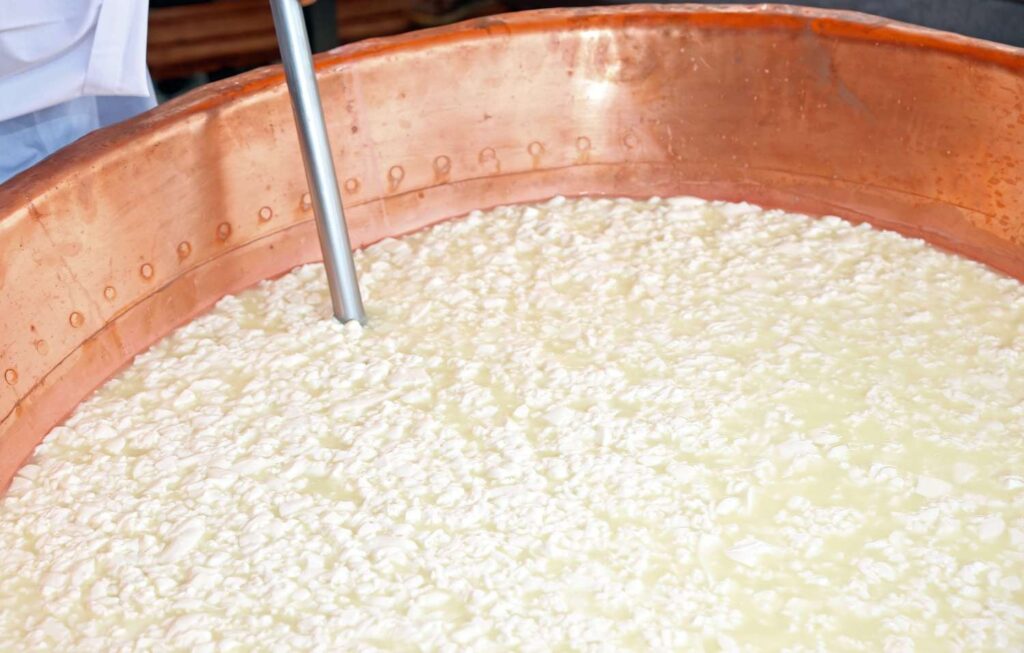
• Fresh milk smells normal.
• Sour milk smells bad and tastes acidic.
• Curdled milk forms lumps and separates.
Seeing the stages makes this part of food spoilage vocabulary much clearer.
Example 3. Meat: Fresh → Tainted → Rotten
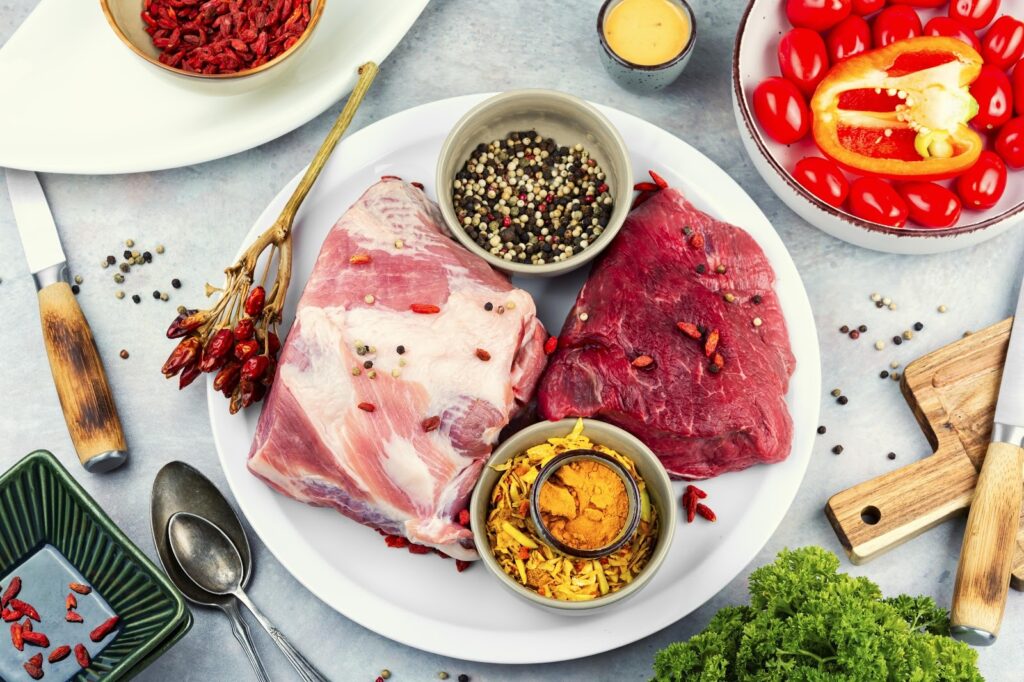
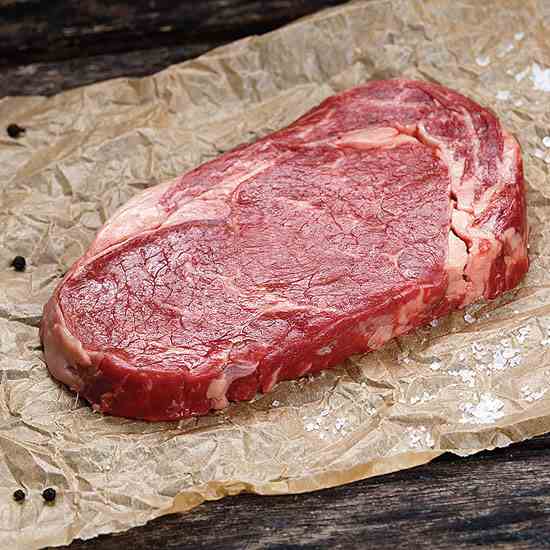
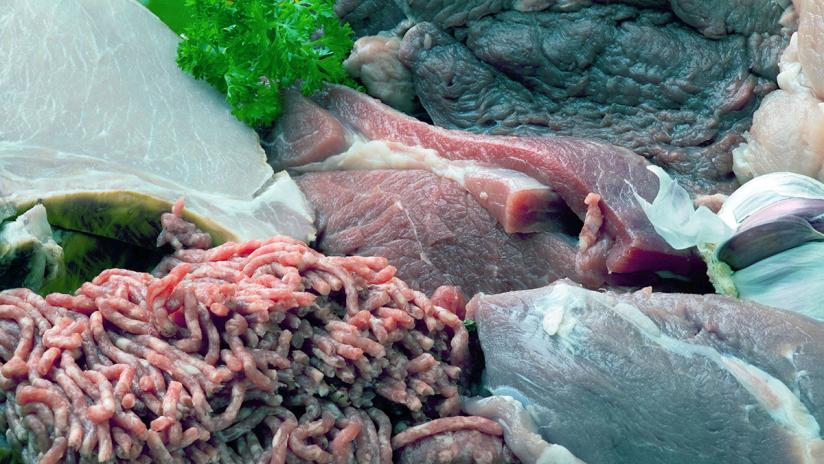
• Fresh meat has a normal color and smell.
• Tainted meat begins to smell or change color.
• Rotten meat is unsafe and strongly smells bad.
Again, knowing these differences improves your food spoilage vocabulary quickly.
Example 4. Fruit: Fresh → Overripe → Rotten
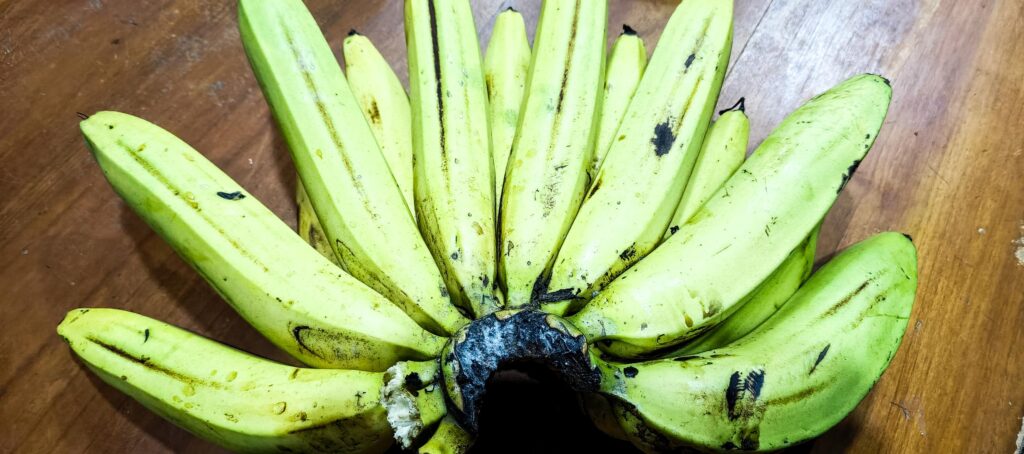
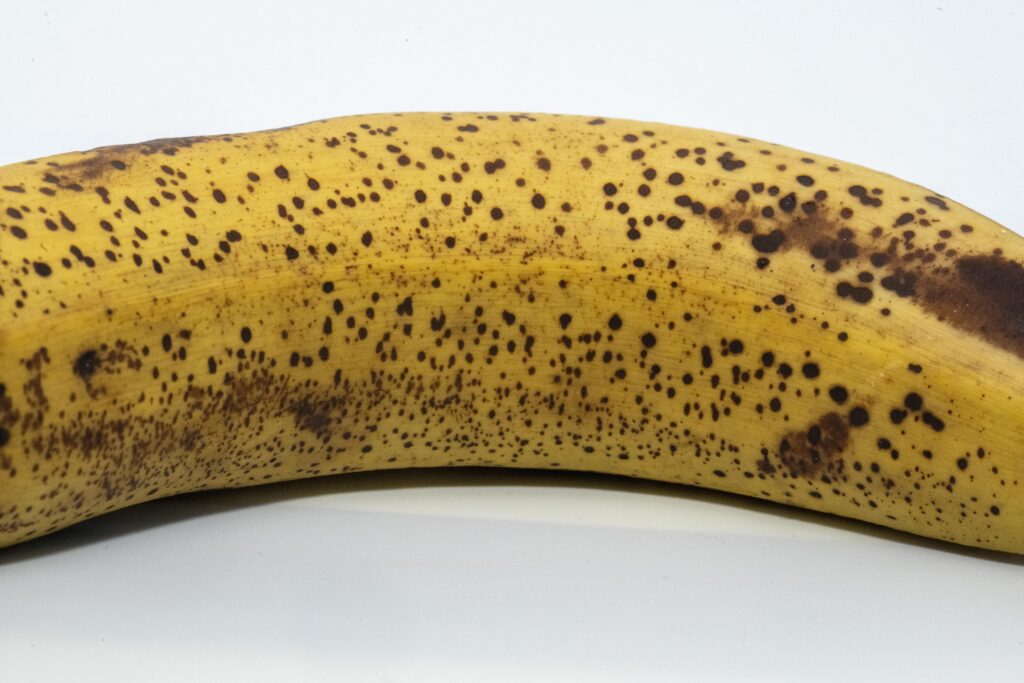
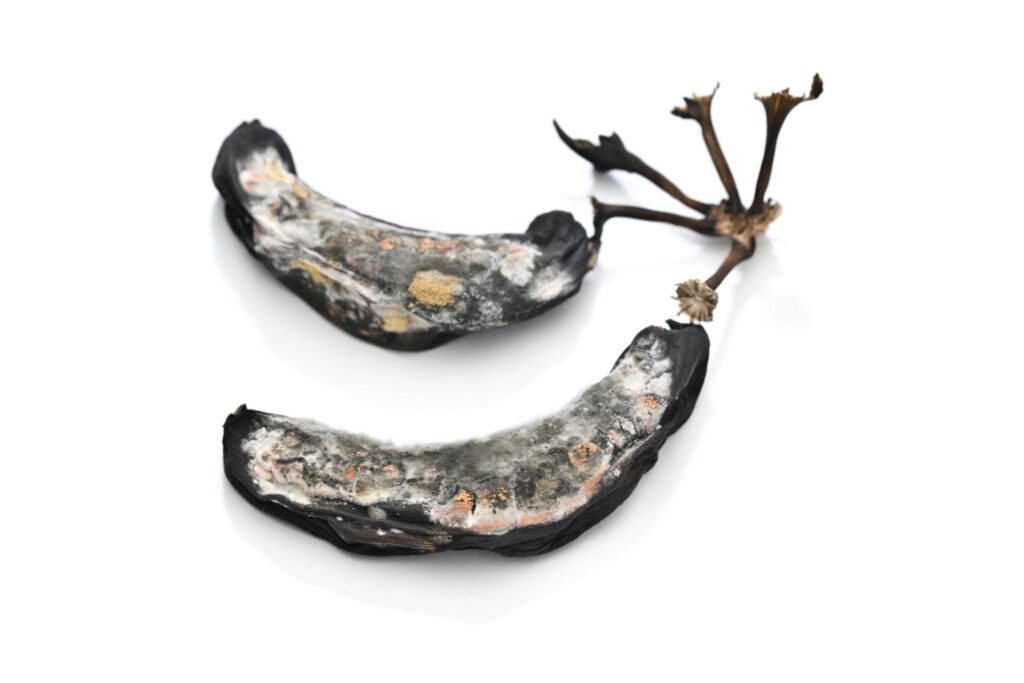
• Fresh fruit looks firm and bright.
• Overripe fruit becomes very soft and dark.
• Rotten fruit breaks down and smells bad.
This pattern appears in many fruits and vegetables in food spoilage vocabulary.
Food Spoilage Vocabulary Table for ESL Learners
Now let’s put everything into one easy reference table.
| Food | Fresh | Going Bad | Dangerous |
| Bread | Fresh bread | Bread is stale | Bread is mouldy |
| Milk | Fresh milk | Milk is sour | Milk is curdled |
| Meat | Fresh meat | Meat is tainted | Meat is rotten |
| Fish | Fresh fish | Fish is slimy | Fish is spoiled |
| Egg | Fresh egg | Egg is addled | Egg is rotten |
| Rice | Fresh rice | Rice is stale | Rice is spoiled |
| Banana | Banana is ripe | Banana is overripe | Banana is rotten |
| Apple | Apple is fresh | Apple is overripe | Apple is rotten |
| Cheese | Fresh cheese | Cheese dries out | Cheese is mouldy |
| Butter | Fresh butter | Butter smells off | Butter is rancid |
| Yoghurt | Fresh yoghurt | Yoghurt tastes sharp | Yoghurt is sour |
| Soup | Fresh soup | Soup smells off | Soup is spoiled |
| Stew | Fresh stew | Stew smells off | Stew is sour |
| Vegetables | Fresh vegetables | Vegetables are wilted | Vegetables are rotten |
| Tomato | Fresh tomato | Tomato softens | Tomato is rotten |
| Orange | Fresh orange | Orange is overripe | Orange is spoiled |
| Cake | Fresh cake | Cake is stale | Cake is mouldy |
| Cookies | Fresh cookies | Cookies are stale | Cookies are mouldy |
| Leftovers | Fresh leftovers | Leftovers smell off | Leftovers are spoiled |
This table helps learners review food spoilage vocabulary quickly and practice sentence patterns.
Why ESL Learners Should Learn Food Spoilage Vocabulary
This topic comes up often in daily English:
• at home
• in restaurants
• in supermarkets
• when cooking
• when talking with friends
Mastering food spoilage vocabulary makes conversations smoother and more natural.
You won’t just say, “The food is bad.”
You’ll say, “The milk is sour” or “The bread is stale.”
That sounds like real English.
Conclusion
Learning English works best when vocabulary connects to real life. And food is part of daily life everywhere.
By learning how foods change from fresh to unsafe, you build practical speaking skills and stronger food spoilage vocabulary at the same time.
Look at foods in your kitchen today. Notice their stages. Try making sentences in English.
Small daily practice sticks. And before long, these words become automatic.
Click below for more tips about English fluency.
https://fluent-eng.com/30-most-misused-english-words-in-2025-a-cheat-sheet/